从土耳其甜品到意大利餐桌:三种你不一定知道的面食故事
From Turkish Dessert to the Italian Table: Three Pasta Stories You Probably Didn’t Know
说实话,我第一次听到”Ganaj Pasta”这个词的时候,脑子里全是番茄酱和罗勒叶的画面。结果一查才发现——这玩意儿在土耳其语里指的是巧克力甘纳许蛋糕,根本不是什么意面!但你知道最有意思的是什么吗?有些意大利甜点师偏偏把它和意面形状的蛋糕模具结合在一起,做出了一种”看起来像意面、吃起来是巧克力”的跨界甜品。这种混搭逻辑,说白了就是美食界常说的”名字会骗人”。
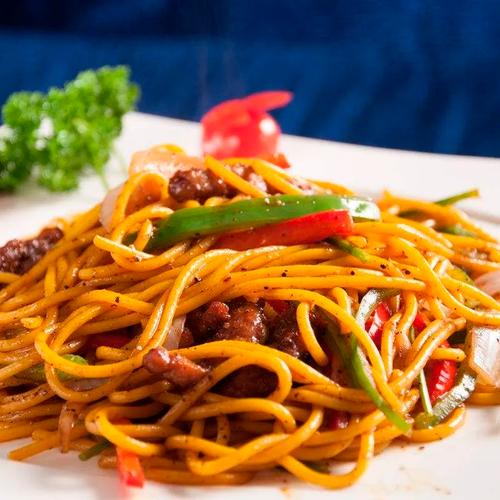
To be honest, the first time I heard “Ganaj Pasta,” all I could picture was tomato sauce and basil leaves. But after looking into it, I found out it actually refers to a chocolate ganache cake in Turkish — not pasta at all! But here’s the interesting part: some Italian pastry chefs have combined it with pasta-shaped cake molds, creating a crossover dessert that “looks like pasta but tastes like chocolate.” This kind of mashup is exactly what people mean when they say “names can be deceiving” in the food world.
好了,玩笑归玩笑。今天真正想聊的,是两款有深厚历史根基的意大利传统面食——Pasta maritata 和 Pasta orecchioni romagnoli。如果你跟我一样是个面食重度爱好者,这两种你可能还真没怎么见过。
Alright, jokes aside. What I really want to talk about today are two Italian traditional pasta dishes with deep historical roots — Pasta maritata and Pasta orecchioni romagnoli. If you’re a pasta lover like me, chances are you haven’t seen these two very often.
Pasta maritata:一场食材的”婚礼”
Pasta Maritata: A “Wedding” of Ingredients
“Pasta maritata”直译过来就是”结了婚的面”。为什么叫这个名字?因为在意大利普利亚大区的传统里,这道菜是把两种不同形状的面——通常是猫耳朵面(orecchiette)和家制螺旋面(maccheroni casarecci)——放在同一口锅里煮,象征”两种面结合成一体”。你可以理解为面食界的联姻。
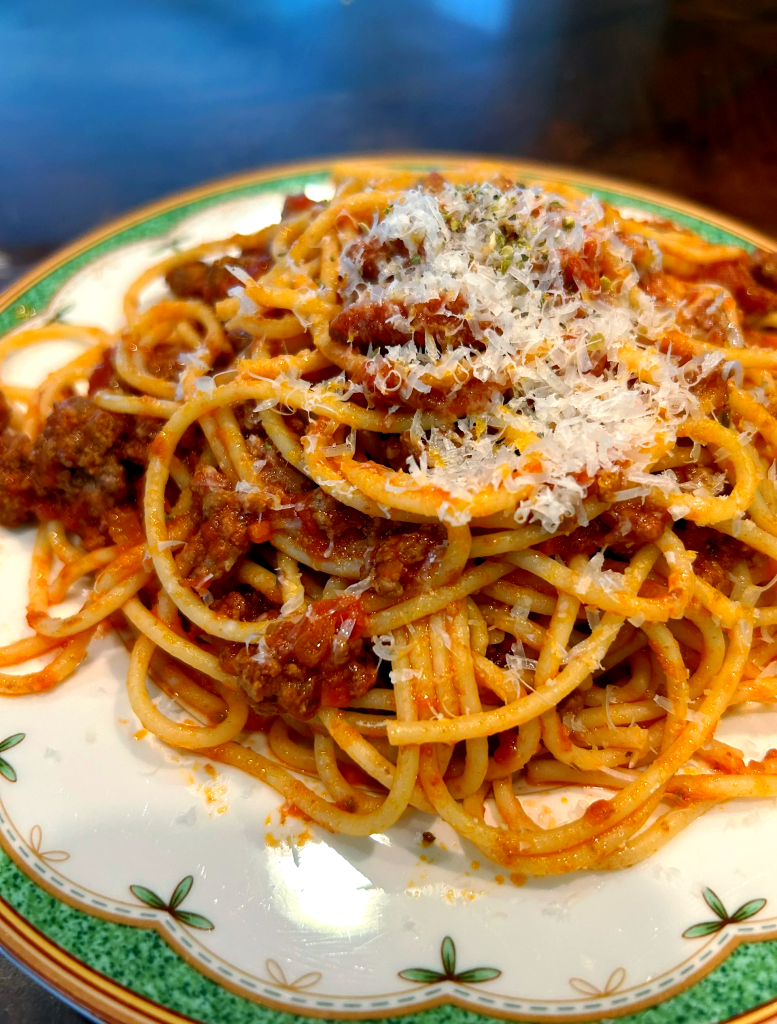
“Pasta maritata” literally translates to “married pasta.” Why is it called that? Because in the tradition of Italy’s Puglia region, this dish involves cooking two different pasta shapes — usually orecchiette and maccheroni casarecci — together in the same pot, symbolizing “two pastas united as one.” You could think of it as a marriage alliance in the pasta world.
做法上,这道菜的灵魂在于酱汁。传统的Pasta maritata recipe一般会用番茄打底,加入意式香肠碎、西兰花、里科塔奶酪和帕尔马干酪。有些版本还会配小肉丸——对,就是把牛肉、面包屑、鸡蛋和欧芹搓成拇指大小的肉丸子,先煎后炖。这个做法来自那不勒斯的老祖母们,属于那种”周日家庭聚餐标配”的菜。
In terms of preparation, the soul of this dish lies in its sauce. A traditional Pasta maritata recipe typically starts with a tomato base, adding crumbled Italian sausage, broccoli, ricotta cheese, and Parmigiano Reggiano. Some versions also come with tiny meatballs — yes, you roll beef, breadcrumbs, eggs, and parsley into thumb-sized balls, pan-fry them, then simmer in sauce. This approach comes from Neapolitan grandmothers, and it’s the kind of dish that defines “Sunday family dinner.”
Orecchioni romagnoli:来自罗马涅的”大耳朵”
Orecchioni Romagnoli: The “Big Ears” from Romagna
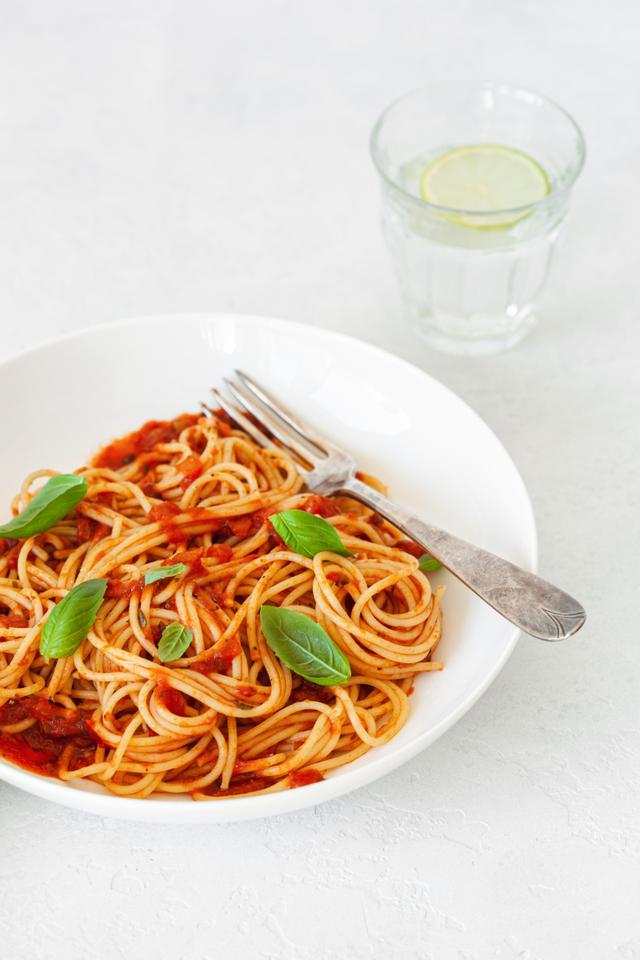
如果说Pasta maritata是热闹的大家庭菜,那Pasta orecchioni romagnoli就是安静但讲究的乡村贵族。这种面来自意大利艾米利亚-罗马涅大区,名字里的”orecchioni”意思是”大耳朵”,因为它的形状就是半月形的大号馄饨——确实有点像竖起来的人耳。
If Pasta maritata is a lively family feast, then Pasta orecchioni romagnoli is the quiet but refined country aristocrat. This pasta comes from Italy’s Emilia-Romagna region. The name “orecchioni” means “big ears,” because its shape is a large half-moon raviolo — it does kind of look like an upright human ear.
面皮要用鸡蛋面,擀到几乎透明——当地人的说法是”要能透过面皮看到馅儿”。馅料通常是混合里科塔奶酪、帕尔马干酪、鸡蛋、新鲜欧芹碎和一点点肉豆蔻。包好之后在盐水里煮三四分钟,捞出来淋上罗马涅风味肉酱(ragù alla romagnola),或者最简单的——融化黄油加鼠尾草,再撒大量帕尔马干酪。
The dough must be egg pasta, rolled almost transparent — locals say “you should be able to see the filling through the dough.” The filling is usually a mix of blended ricotta, Parmigiano Reggiano, egg, freshly chopped parsley, and a pinch of nutmeg. After shaping, boil in salted water for three to four minutes, then dress with Romagna-style meat sauce (ragù alla romagnola), or at its simplest — melted butter with sage and plenty of freshly grated Parmigiano.
这种做法在罗马涅的乡村里属于”节日限定”,平时不轻易做。因为它太费工夫了——揉面、醒面、擀皮、调馅、包制,每一步都不能马虎。所以当地人有句话:做Orecchioni不是做饭,是一场仪式。
This preparation is a “holiday special” in Romagna’s countryside — not made casually on ordinary days. It’s too labor-intensive: kneading the dough, resting it, rolling it thin, mixing the filling, wrapping each piece — every step demands precision. That’s why locals have a saying: making Orecchioni isn’t cooking, it’s a ritual.
回到 Ganaj Pasta:名字背后的跨界哲学
Back to Ganaj Pasta: The Crossover Philosophy Behind the Name
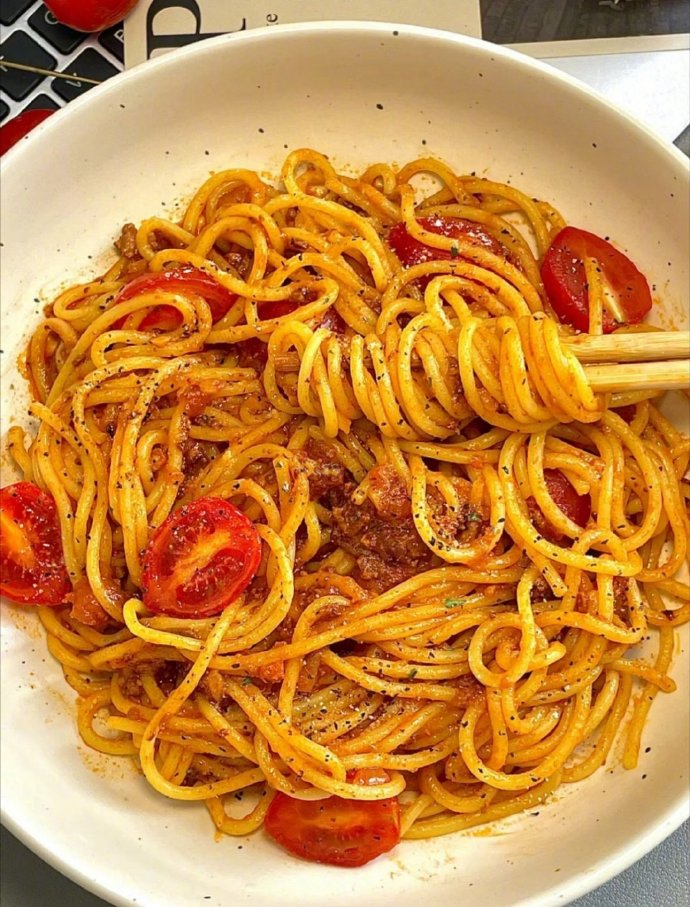
你可能觉得把一款土耳其巧克力蛋糕和两种意大利传统面食放在一起聊有点奇怪。但仔细想想,这不就是现在美食界最有意思的趋势吗?好的厨师不会被”这属于哪个菜系”束缚住。Ganaj Pasta这个混搭概念之所以能传播开来,恰恰是因为人们愿意接受”名字和实际不一样”的惊喜。
You might think it’s strange to put a Turkish chocolate cake alongside two traditional Italian pasta dishes. But think about it — isn’t this exactly the most exciting trend in food right now? Good chefs refuse to be confined by “which cuisine does this belong to.” The reason the Ganaj Pasta crossover concept has spread is precisely because people are willing to embrace the surprise of “the name doesn’t match the reality.”
所以,如果你下次请朋友来家里吃饭,不妨试试这个组合:主菜来一盘正宗的Pasta maritata,甜品端出一个做成意面形状的甘纳许巧克力蛋糕。保证没人能猜到你到底在做什么菜系。
So next time you invite friends over for dinner, try this combination: serve an authentic Pasta maritata as the main course, and finish with a ganache chocolate cake shaped like pasta. I guarantee nobody will be able to guess which cuisine you’re actually cooking.


